Alphabet's SpaceX Stake Nears $100 Billion Value Ahead of Potential IPO
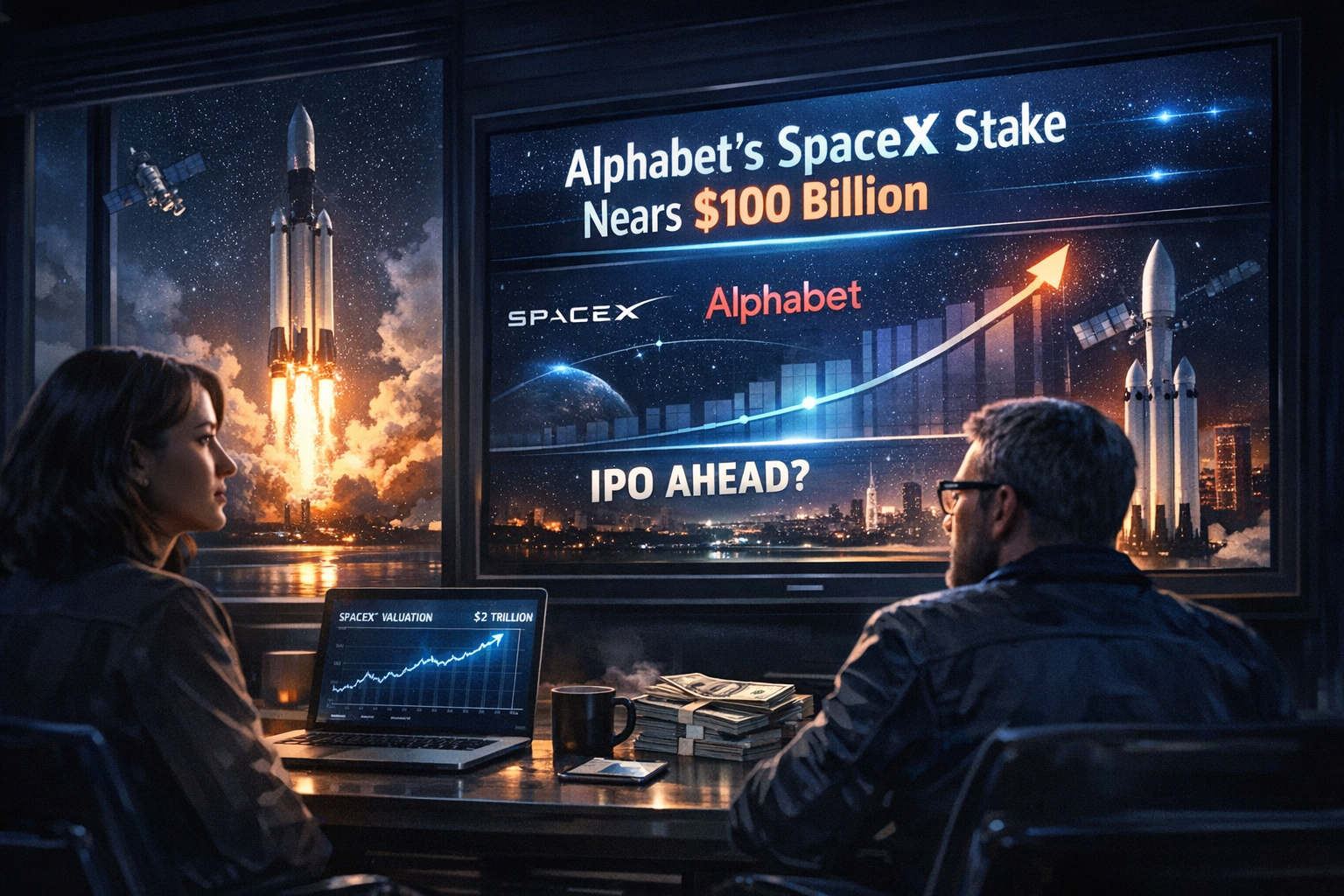
Alphabet stands to gain around $100 billion from its early investment in SpaceX, according to a Bloomberg report, as the space company prepares for a possible initial public offering at a $2 trillion valuation. This windfall underscores the extraordinary returns from Silicon Valley's bets on private space ventures. The development arrives amid SpaceX's merger with xAI and rising demand for satellite services and AI infrastructure.
From 2015 Investment to Valuation Surge
Alphabet invested in SpaceX in 2015, when the company carried a $10 billion valuation. A recent filing reveals Google, Alphabet's core business, held a 6.11% stake by the end of 2025, diluted to about 5% after the xAI merger. SpaceX's growth stems from reusable rocket launches, the Starlink satellite internet network, and contracts for space infrastructure, propelling it to one of the world's most valuable private firms.
These advances have driven valuation multiples far beyond early expectations. Launch costs have plummeted through reusable Falcon 9 rockets, enabling frequent missions and customer contracts. Starlink now serves millions with high-speed internet in remote areas, while government and commercial demand for orbital services grows.
Elon Musk and Broader Investor Gains
Elon Musk controls roughly 40% of SpaceX, positioning him for the largest payout from an IPO that could raise $75 billion. Early employees and backers with smaller stakes also face life-changing wealth, as even modest holdings could yield billions at peak valuations. This event promises to redistribute vast sums across the tech sector.
Implications for Tech Investments and Markets
SpaceX's public debut could rank among history's largest IPOs, fueled by investor appetite for space and AI technologies. Alphabet rarely details private holdings but has credited such investments with billions in past profits. The payoff highlights risks and rewards of long-term stakes in unproven fields: high failure rates accompany potential for outsized gains.
Success here may spur more capital into private space firms, accelerating satellite constellations and lunar missions. Yet regulatory hurdles, launch failures, and competition from rivals like Blue Origin loom. For Alphabet, cashing out would bolster its balance sheet, funding AI, cloud computing, and other ventures amid intensifying tech rivalries.